
NEWS
🚨 JUST IN: KING CHARLES’ SECRET WEAPON EXPOSED! BRITISH GOVERNMENT IS INCREASINGLY TURNING TO THE MONARCH TO HANDLE ITS MOST DELICATE POLITICAL CRISES — AND HIS LATEST CARIBBEAN TOUR HAS REVEALED WHY!

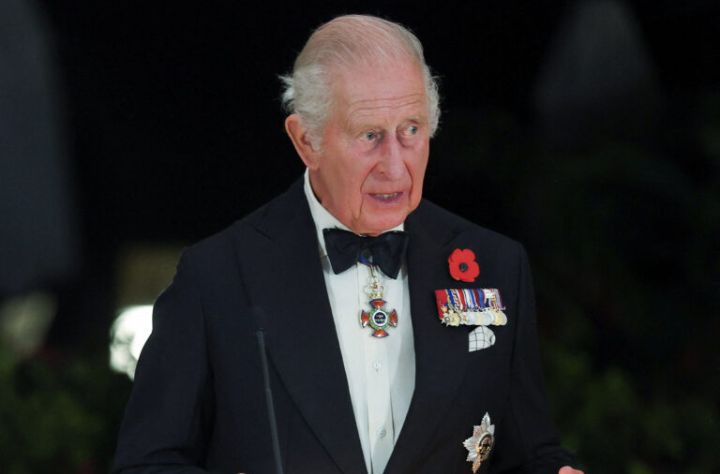
Britain may have found one of its most unexpected diplomatic advantages in King Charles III, and according to a senior royal aide, the monarch is becoming an increasingly important figure whenever the government faces complicated international situations.
Behind the royal ceremonies, official speeches and carefully planned overseas visits, a different side of Charles’s reign is beginning to emerge.
The King is reportedly being called upon to help Britain navigate difficult relationships, ease political tensions and reconnect with countries where historical disagreements continue to cast long shadows.
And his latest nine-day Caribbean tour has offered a particularly striking example of why British officials believe his position could be so valuable.
Following the demanding visit, a senior royal aide described Charles as a “great secret weapon” for the British government, suggesting that his ability to engage with international leaders could offer something elected politicians sometimes struggle to achieve.
But what exactly makes the monarch such an important diplomatic figure?
THE KING’S ROLE IS TAKING A DIFFERENT DIRECTION
Since becoming monarch in September 2022, King Charles has faced the enormous responsibility of maintaining the monarchy’s relevance while navigating a rapidly changing political and international landscape.
Unlike elected politicians, the King is expected to remain above party politics. This gives him an unusual position when meeting leaders from different countries, particularly when conversations involve sensitive historical disagreements or complicated diplomatic relationships.
According to the senior aide, the government is increasingly asking Charles to enter politically challenging situations because of the relationships he has developed with international figures over many years.
The aide suggested that the King genuinely enjoys the more demanding aspects of his responsibilities, particularly opportunities to renew relationships with countries where difficult political issues have created tension.
In other words, the King’s work is no longer simply about representing Britain at ceremonial occasions.
His diplomatic responsibilities are becoming an increasingly visible part of his reign.
A CARIBBEAN TOUR THAT WAS NEVER GOING TO BE EASY
The monarch’s latest nine-day Caribbean tour took him to the Bahamas, Guyana and Antigua and Barbuda.
Although royal visits are traditionally associated with celebrations, cultural events and diplomatic receptions, this particular journey carried considerable historical and political weight.
One of the biggest issues surrounding the visit was Britain’s involvement in the transatlantic slave trade.
Several Caribbean nations and campaigners have continued to call for a formal British apology and reparations for the suffering caused by slavery and its lasting consequences.
For Charles, addressing the region meant confronting a painful chapter of history while also respecting the British government’s position.
It was a delicate balancing act.
The King was expected to acknowledge the suffering of the past without making political promises that were outside his constitutional authority.
And that was precisely where his diplomatic skills were put to the test.
CHARLES FINALLY ADDRESSES THE PAINFUL HISTORY
During his address at the Commonwealth Heads of Government Meeting in Antigua and Barbuda on November 3, Charles spoke directly about the transatlantic slave trade.
He described the shameful chapter of history as something that filled his heart with horror and his soul with profound personal sorrow.
His words were significant because they acknowledged the deep emotional and historical wounds that continue to affect Caribbean communities.
However, there was one important detail that should not be overlooked.
The King did not issue a formal apology on behalf of Britain, nor did he announce any reparations agreement.
That distinction matters because the demands for reparatory justice remain a major issue for several Caribbean nations.
While some welcomed the monarch’s acknowledgement, campaigners have continued to argue that words alone are not enough.
For many people, the question remains whether Britain’s recognition of its historical responsibility will eventually translate into meaningful action.
WHY THE GOVERNMENT BELIEVES CHARLES IS SO VALUABLE
The senior royal aide’s description of Charles as a secret weapon has attracted attention because it reveals how the monarchy can serve a purpose beyond traditional royal duties.
A monarch does not face the same electoral pressures as a prime minister. He can maintain long-standing relationships with international leaders even when governments change.
That personal connection can become particularly useful when countries need to maintain communication despite disagreements.
The aide also pointed to Charles’s ability to establish good working relationships with British prime ministers.
Since ascending the throne, the King has worked with several different prime ministers, and palace officials have suggested that he has developed positive relationships across political lines.
This ability to connect with people who hold different responsibilities and opinions is becoming an important part of his diplomatic identity.
His recent Caribbean visit was described by the aide as complex, challenging and exhausting, but ultimately successful.
The aide also praised the King’s statecraft, saying he had demonstrated his diplomatic abilities through both words and actions.
HIS RELATIONSHIP WITH DONALD TRUMP ALSO MATTERS
Charles’s diplomatic responsibilities have not been limited to the Caribbean.
His earlier state visit to the United States also demonstrated the importance Britain places on his ability to maintain relationships with influential international figures.
His engagement with President Donald Trump attracted considerable attention, particularly during a period when relations between countries required careful handling.
The King’s address to the US Congress was among the major moments of that visit.
For British officials, such engagements demonstrate how the monarch can represent the country in circumstances where diplomatic relationships require tact, patience and careful communication.
The Caribbean tour has now provided another example of the challenges he is expected to handle.
THE FUTURE OF THE MONARCHY REMAINS A BIGGER QUESTION
Despite the praise surrounding his diplomatic performance, Charles’s latest Caribbean visit also highlighted the difficult questions facing the monarchy.
Some Commonwealth countries are reconsidering their constitutional relationships with Britain, while campaigners continue to demand greater recognition of the historical consequences of slavery.
The King remains head of the Commonwealth, an organisation bringing together 56 independent countries.
However, being its symbolic leader does not mean every member country wants to maintain the British monarch as its head of state.
For Charles, preserving relationships with these nations will require more than royal appearances and carefully written speeches.
It will involve listening, acknowledging difficult histories and supporting stronger partnerships for the future.
And that may become one of the defining challenges of his reign.
A NEW CHAPTER FOR KING CHARLES?
At 77, Charles has already experienced a demanding period as monarch, balancing his public responsibilities with his health challenges and the continuing pressures surrounding the Royal Family.
Yet his latest overseas assignment suggests that he remains determined to take on some of Britain’s most complicated diplomatic responsibilities.
The description of him as a government “secret weapon” is particularly revealing because it shows how palace officials view his potential influence beyond traditional royal duties.
Whether this approach will produce lasting improvements in Britain’s international relationships remains to be seen.
One thing, however, is clear: the Caribbean tour has demonstrated that the monarchy’s historical legacy continues to shape its modern responsibilities.
But do you think King Charles is the right person to help Britain navigate difficult international relationships, especially when those challenges involve Britain’s colonial past?
Or should the government take the lead and leave the monarch out of its most sensitive political matters?
Share your thoughts in the comments.
This is a conversation that deserves to be heard!

jaden smith really fell in love with michèle lamy, who’s already 82, he says that one night changed his life now they’ve been spotted walking arm in arm in paris again….

🚨 Meghan Markle Faces Fresh Controversy As Viral Photos Spark New Speculation About Archie And Lilibet’s Biological Mother. The little girl looks like her biological mother this woman…..

🚨 SHOCKING EPSTEIN FILES: Court Documents Allegedly Reveal That Jeffrey Epstein Recorded Secret Sex Tapes Involving Prince Andrew, Donald Trump, Bill Clinton and Richard Branson — New Questions Emerge!

HORRIFYING! EPSTEIN’S ZORRO RANCH SCANDAL DEEPENS — EXPLOSIVE VICTIM TESTIMONIES, UNANSWERED QUESTIONS ABOUT MISSING EVIDENCE & CHILLING ALLEGATIONS OF SECRET MEDICAL EXPERIMENTS IN A LIVING NIGHTMARE THREATEN TO EXPOSE ONE OF THE DARKEST CHAPTERS OF THE EPSTEIN SCANDAL. THESE PEOPLE TREATED HUMANS LIKE LIVESTOCK FOR THEIR EXPERIMENT…

WATCH VIDEO: BREAKING:Pete Hegseth’s downfall begins: Articles of impeachment have officially been filed against Pete Hegseth.’Stubborn’ defense secretary believes God wants him to run the Pentagon… but insiders holding a lethal dossier of secrets are ‘giddy’ with excitement as his path to destruction is revealed

48 years old Serena Williams has announced engagement to her 26 year old girlfriend says she’s done with men

WATCH VIDEO: Prince Harry Furious Finger-Pointing and “Participation Medals” at Quiet Remembrance Service Draw Mockery as Locals Appear to Ignore Him

So Disgusting Prince William, 44, spotted kissing mysterious woman, 28, during an intimate and romantic UK vacation without wife Kate Middleton, 44, as her frequent hospital visits raise fresh concerns about her health, but one shocking detail in the photo raises big questions

🚨💔 10 MINUTES AGO: BUCKINGHAM PALACE ANNOUNCES HEARTBREAKING ROYAL News! Prince William Stands Beside a Tearful Kate as She Breaks Down and Says, “It Is With Our Deepest Sorrow That We Announce….

🚨 HARRY AND CHARLES’ SECRET RIFT EXPOSED. Royal Photographer Reveals the Moment He Was Warned Not to Show King Charles His Baby Photos — The Reason Left Him Stunned…

5 MINUTES AGO! Sirens tore through the night. The Palace gates slammed shut. Doors banged. Sophie and Edward burst in, faces pale. “Too late…” Edward rasped. Guards sealed the gates. Then Charles rose, voice choking: “Oh God… I’m sorry, I’m so sorry Harry… Harry has—” And in that instant, a chilling truth spread through the Palace: the future of the Crown… (For Full Information, Check Link In Comment👇🏻
