
NEWS
The Unprecedented Spark: How Melania Trump’s Historic Diplomacy is Reimagining Global Peace building

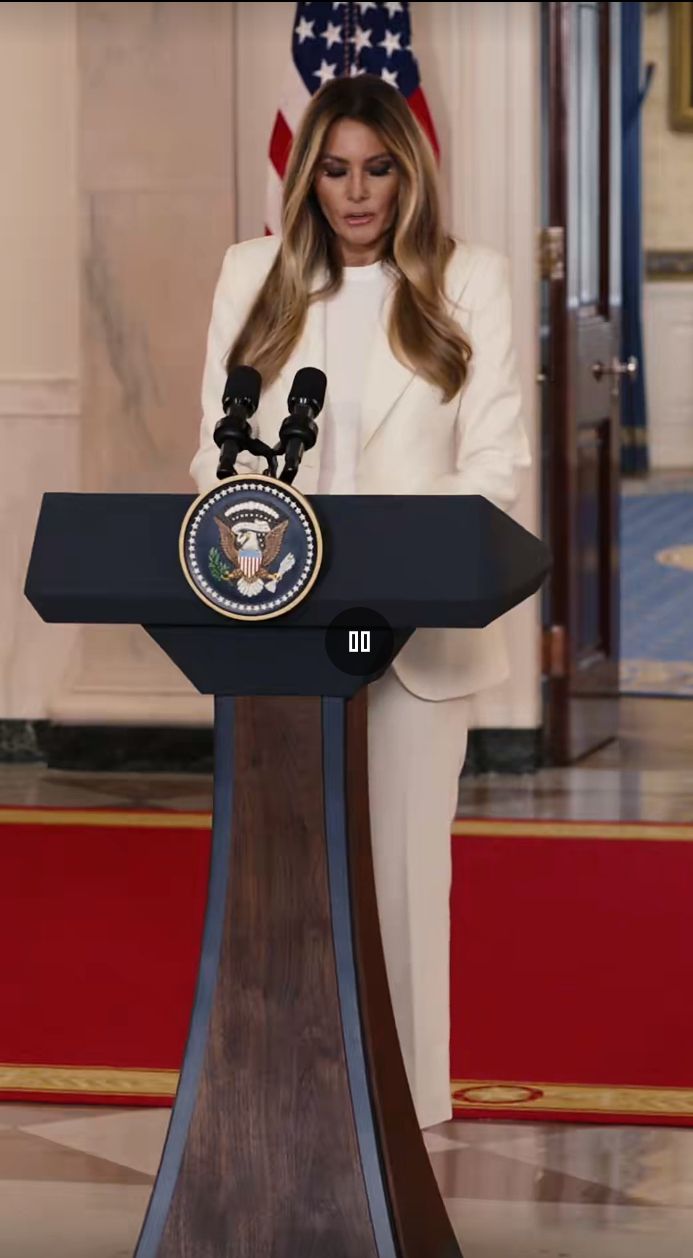
When history records the decisive moments of 21st-century diplomacy, November 5, 2026, will stand out as an extraordinary anomaly. In a move that shattered traditional geopolitical playbooks, First Lady Melania Trump gathered representatives from Russia and Ukraine at the White House—marking what is believed to be the first time in American history that a First Lady has personally hosted two warring nations under one roof for diplomatic negotiations.
At a time when formal peace talks frequently hit bureaucratic deadlocks, this historic convening offers more than just a captivating headline. It presents a groundbreaking masterclass in modern conflict resolution, leadership influence, and the transformative power of non-traditional diplomacy.
A Historic Breakthrough: Rewriting the First Lady Playbook
For decades, the diplomatic role of the First Lady has largely centered around ceremonial duties, cultural exchanges, and humanitarian advocacy. While powerful in their own right, these efforts rarely crossed directly into active, high-stakes geopolitical negotiations.
The November 5 meeting at the White House dismantled those long-standing boundaries. By welcoming Russian and Ukrainian delegations to the same table, Melania Trump stepped directly into the eye of the world’s most intense geopolitical storm.
The sheer symbolism of bringing two actively warring nations into the White House under the leadership of a First Lady signals a profound shift:
Decentralized Peacebuilding: High-level diplomacy is no longer reserved strictly for traditional state channels; personal prestige and strategic moral authority can bridge gaps where standard negotiations stall.
Symbolic Neutrality & Hospitality: The White House provided a distinct, dignified backdrop designed to elevate the discourse beyond routine battlefield posture.
Human-Centric Leadership: Shifting the narrative from rigid political ultimatums to shared human responsibility.
“A Spark in a World of Darkness”: Analyzing the Core Message
Addressing the gathered leaders, First Lady Melania Trump delivered a speech centered around unity, hope, and strategic cooperation. One passage in particular resonated across international diplomatic circles:
“Let us see Oleshky as a spark in a world of darkness, capable of illuminating the best in humanity. Build a powerful flame of peace, visible to the world. Ignite hope, foster cooperation, and brighten a path toward lasting peace.”
— First Lady Melania Trump
November 5, 2026 | The White House
Her reference to Oleshky carries immense weight. By pointing to a specific location marked by conflict and transforming it into a metaphor for collective healing, the address urged both delegations to look beyond current destruction and focus on rebuilding a shared future.
Key Takeaways from the Address:
Reframing Conflict into Opportunity: By calling Oleshky a “spark,” the narrative shifts from viewing casualties solely through loss to identifying points of origin for lasting resolution.
The Ripple Effect of Leadership: A single courageous step toward negotiation creates a visible light—a “flame of peace”—that encourages global allies to champion stability rather than escalation.
Action-Oriented Cooperation: Hope alone is insufficient. Real diplomacy requires actionable cooperation to illuminate the path forward.
Why Soft Power Diplomacy Matters in Modern Conflict
Why does a First Lady-led summit matter in an era dominated by defense packages, economic sanctions, and alliance posture? The answer lies in the strategic value of soft power.
Hard power forces compliance through strength and leverage, but soft power inspires alignment through influence, shared values, and trust. When geopolitical conflicts reach an impasse, traditional political figures often find themselves bound by rigid domestic pressures and media expectations. Soft power envoys—such as a First Lady—can operate with unique diplomatic flexibility.
Lowering the Temperature: Soft power meetings reduce immediate political posture, allowing delegates to discuss core human and economic realities without the pressure of immediate public triumph.
Opening Secret Channels: Landmark public gatherings often lay the foundation for essential, behind-the-scenes technical discussions on ceasefires, prisoner exchanges, and humanitarian corridors.
Re-engaging the Global Public: Highlighting the human cost of war renews international public commitment to peaceful solutions.
Lessons for Modern Leaders: From Geopolitics to Organizational Strategy
Whether you are navigating international relations, leading an enterprise through industry disruption, or steering a team through complex negotiations, the principles demonstrated at the White House offer vital leadership insights:
1. Challenge Established Norms
When standard procedures yield diminished returns, bold leaders change the format. Stepping outside traditional protocols—just as Melania Trump did by hosting this summit—can break long-standing deadlocks.
2. Lead with Visionary Messaging
In times of crisis, stakeholders do not just need data; they need hope anchored in a clear path forward. Defining a unifying focal point (“a spark in a world of darkness”) aligns competing interests toward a shared goal.
3. Create Safe Spaces for Dialogue
Conflict resolution requires a venue where opposing parties can speak openly. Designing environments that prioritize mutual dignity over hostility is essential for breakthrough consensus.
Where Do We Go From Here?
The historic November 5 gathering at the White House is a reminder that peace is built through courageous, intentional action. While the road to lasting stability between Russia and Ukraine remains intricate and challenging, this summit proves that dialogue is always possible when leaders step forward with conviction.
As history unfolds, the “spark” ignited at the White House serves as an enduring reminder of what human-centric leadership can achieve.
Join the Conversation
What are your thoughts on this historic diplomatic breakthrough? Can non-traditional soft power diplomacy fundamentally change the outcome of global conflicts?

jaden smith really fell in love with michèle lamy, who’s already 82, he says that one night changed his life now they’ve been spotted walking arm in arm in paris again….

🚨 Meghan Markle Faces Fresh Controversy As Viral Photos Spark New Speculation About Archie And Lilibet’s Biological Mother. The little girl looks like her biological mother this woman…..

🚨 SHOCKING EPSTEIN FILES: Court Documents Allegedly Reveal That Jeffrey Epstein Recorded Secret Sex Tapes Involving Prince Andrew, Donald Trump, Bill Clinton and Richard Branson — New Questions Emerge!

HORRIFYING! EPSTEIN’S ZORRO RANCH SCANDAL DEEPENS — EXPLOSIVE VICTIM TESTIMONIES, UNANSWERED QUESTIONS ABOUT MISSING EVIDENCE & CHILLING ALLEGATIONS OF SECRET MEDICAL EXPERIMENTS IN A LIVING NIGHTMARE THREATEN TO EXPOSE ONE OF THE DARKEST CHAPTERS OF THE EPSTEIN SCANDAL. THESE PEOPLE TREATED HUMANS LIKE LIVESTOCK FOR THEIR EXPERIMENT…

WATCH VIDEO: BREAKING:Pete Hegseth’s downfall begins: Articles of impeachment have officially been filed against Pete Hegseth.’Stubborn’ defense secretary believes God wants him to run the Pentagon… but insiders holding a lethal dossier of secrets are ‘giddy’ with excitement as his path to destruction is revealed

48 years old Serena Williams has announced engagement to her 26 year old girlfriend says she’s done with men

WATCH VIDEO: Prince Harry Furious Finger-Pointing and “Participation Medals” at Quiet Remembrance Service Draw Mockery as Locals Appear to Ignore Him

So Disgusting Prince William, 44, spotted kissing mysterious woman, 28, during an intimate and romantic UK vacation without wife Kate Middleton, 44, as her frequent hospital visits raise fresh concerns about her health, but one shocking detail in the photo raises big questions

🚨💔 10 MINUTES AGO: BUCKINGHAM PALACE ANNOUNCES HEARTBREAKING ROYAL News! Prince William Stands Beside a Tearful Kate as She Breaks Down and Says, “It Is With Our Deepest Sorrow That We Announce….

🚨 HARRY AND CHARLES’ SECRET RIFT EXPOSED. Royal Photographer Reveals the Moment He Was Warned Not to Show King Charles His Baby Photos — The Reason Left Him Stunned…

5 MINUTES AGO! Sirens tore through the night. The Palace gates slammed shut. Doors banged. Sophie and Edward burst in, faces pale. “Too late…” Edward rasped. Guards sealed the gates. Then Charles rose, voice choking: “Oh God… I’m sorry, I’m so sorry Harry… Harry has—” And in that instant, a chilling truth spread through the Palace: the future of the Crown… (For Full Information, Check Link In Comment👇🏻
